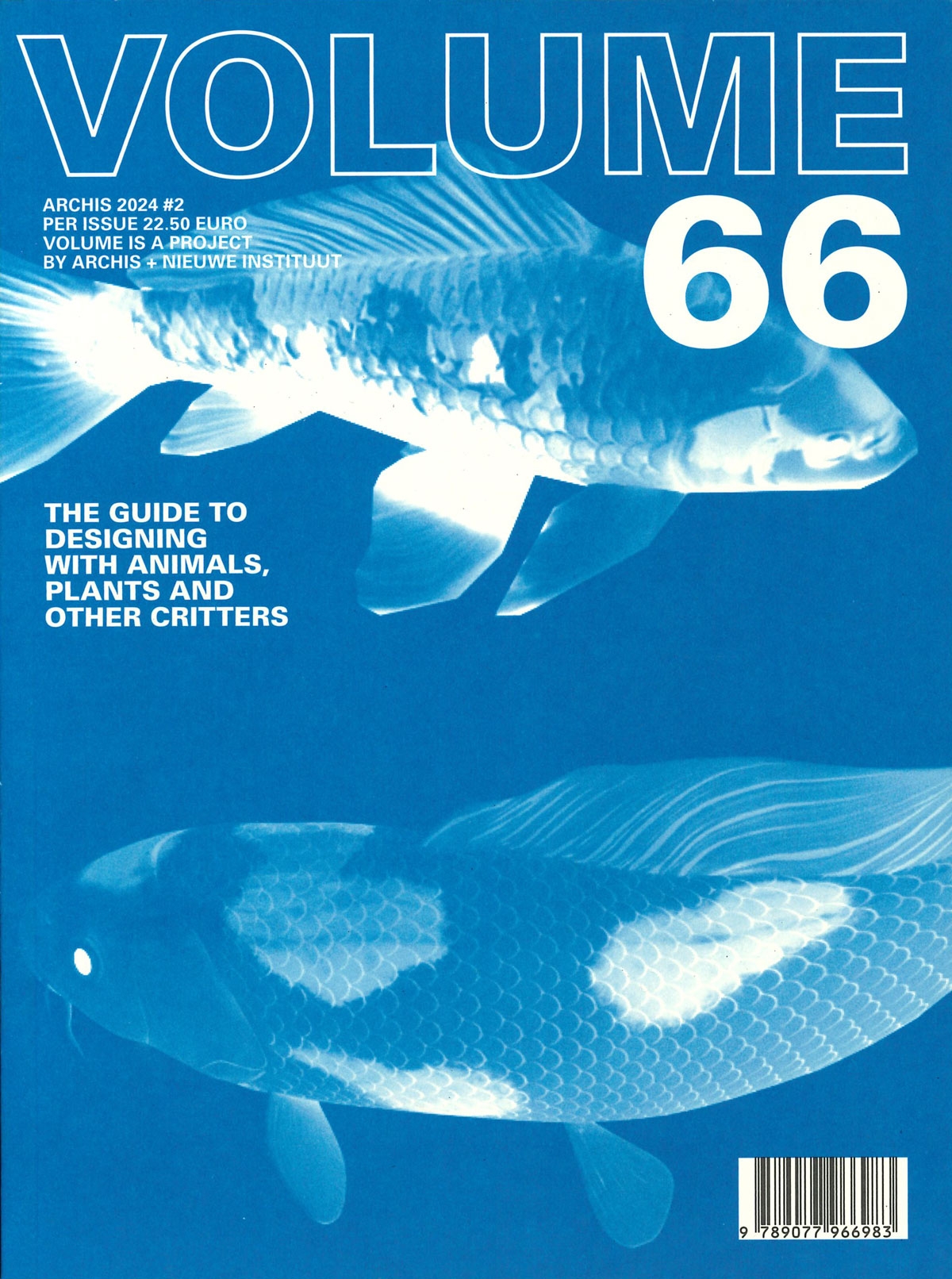
Het tijdschrift 'Volume 66 The Guide to Designing with Animals, Plants, and Other Critters' verkent hoe ontwerpers rekening kunnen houden met de levens van dieren, planten en schimmels.
Zestig lemma’s over onder meer bevers, termieten, bloemen en zwammen verbinden de behoeften van afzonderlijke soorten met grotere ecologische vraagstukken. Met interviews en projectvoorbeelden biedt dit nummer nieuwe perspectieven op het ontwerpen van de leefomgeving
Voor wie ontwerpen we een gebouw, landschap of stad? 'Volume 66 The Guide to Designing with Animals, Plants, and Other Critters' verschuift de aandacht van uitsluitend menselijke gebruikers naar de vele soorten waarmee we onze leefomgeving delen. Het nummer, uitgegeven door Archis en het Nieuwe Instituut, is opgebouwd als een begrippenlijst met zestig lemma’s.
De bijdragen onderzoeken zowel afzonderlijke soorten als de relaties tussen soorten en hun omgeving. Bevers, termieten, schimmels, mycorrhiza, bloemen en andere organismen komen aan bod via hun gedrag, ruimtelijke behoeften en rol binnen ecosystemen. Daarmee maakt het tijdschrift zichtbaar dat ontwerpkeuzes gevolgen hebben voor meer levensvormen dan alleen de mens.
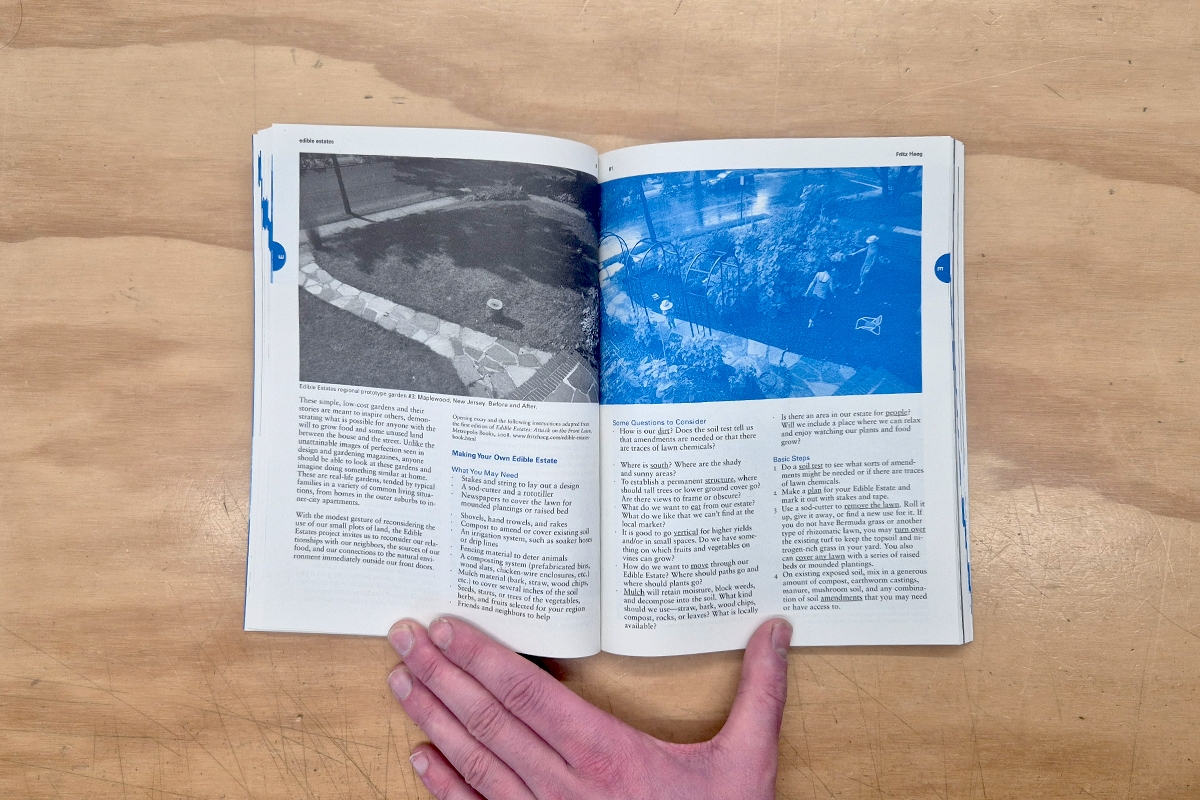
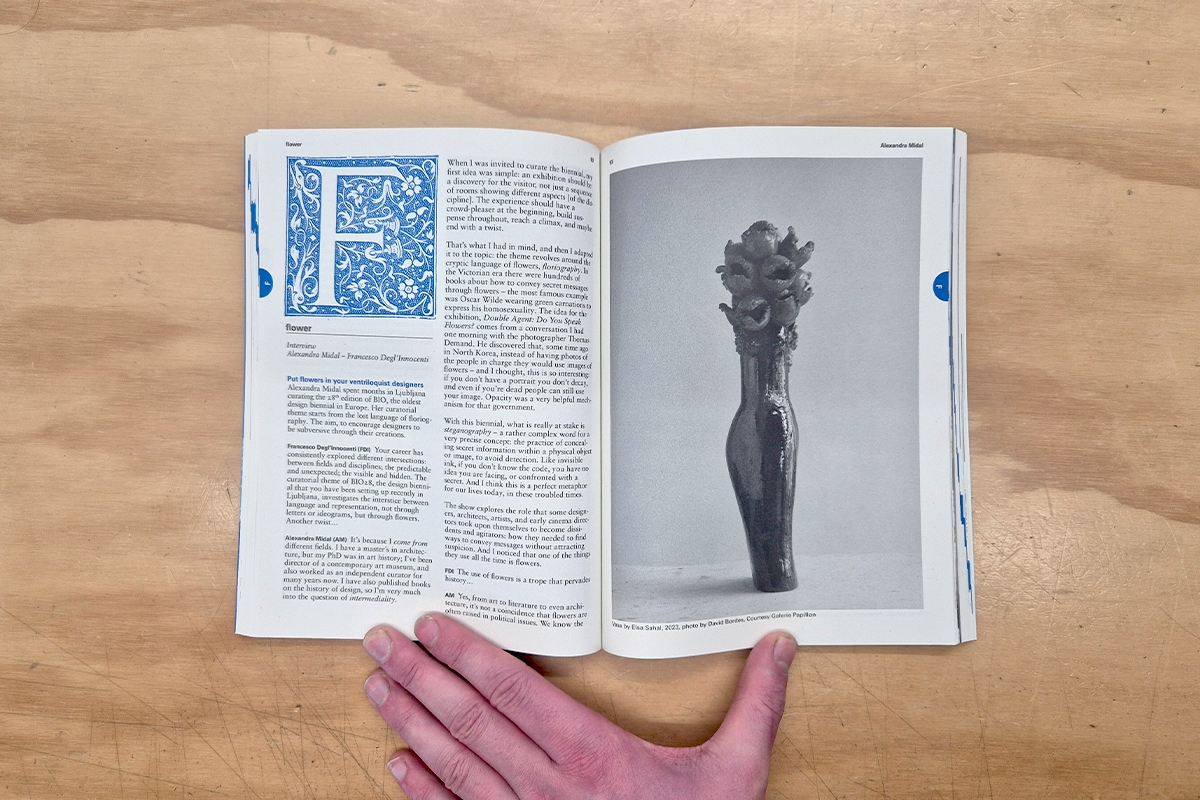
Naast de lemma’s bevat deze editie gesprekken met ontwerpers, deskundigen op het gebied van dierenethiek en boeren. Recente gerealiseerde projecten en historische voorbeelden laten zien hoe er eerder met dierlijk en plantaardig leven is ontworpen. Volume 66 is een Engelstalige uitgave voor architecten, landschapsarchitecten en andere ontwerpers die hun werk vanuit ecologische relaties willen bekijken.