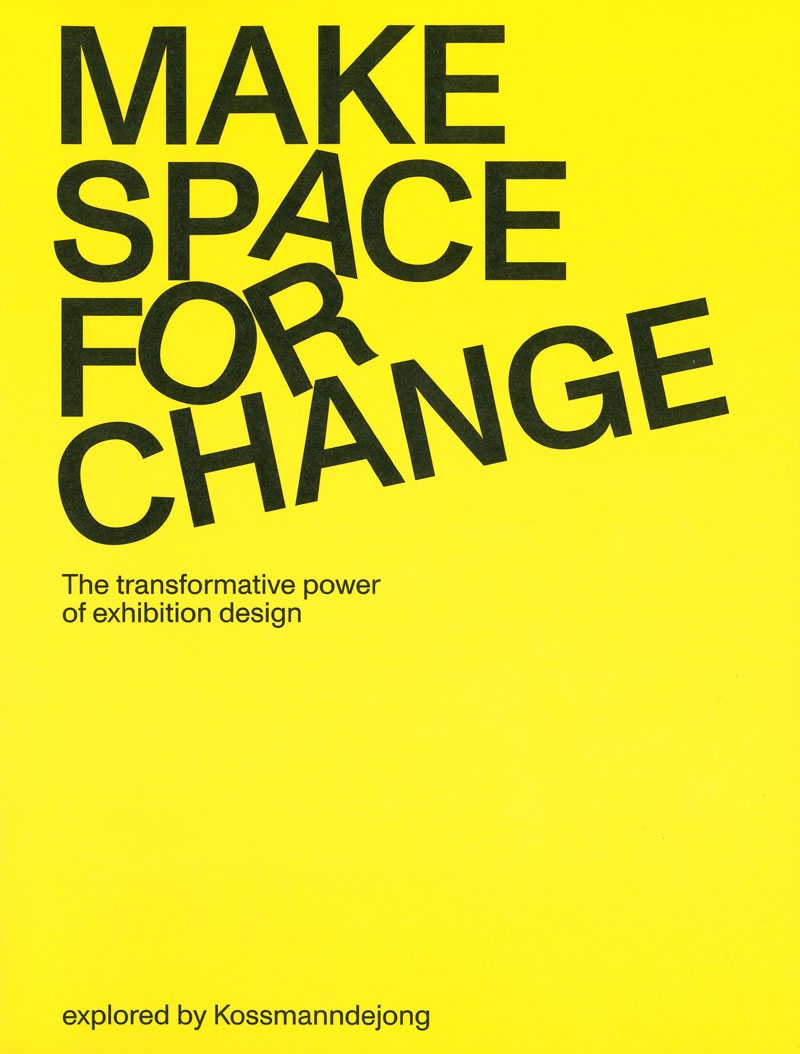
Kossmanndejong (KDJ) is an Amsterdam-based experience design studio founded in 1998 by Herman Kossmann and Mark de Jong. They integrate storytelling with spatial design for museums, cultural institutions, public spaces, and brands. Dissatisfied with the status of exhibition design, they aimed to innovate by incorporating elements from theatre and film, contributing to the rise of 'experience design.'
The studio has grown into a team of over thirty professionals with diverse expertise. After nearly 25 years, Kossmann and de Jong passed leadership to Femke Bijlsma, Niels de Jong, and Robert van der Linde.
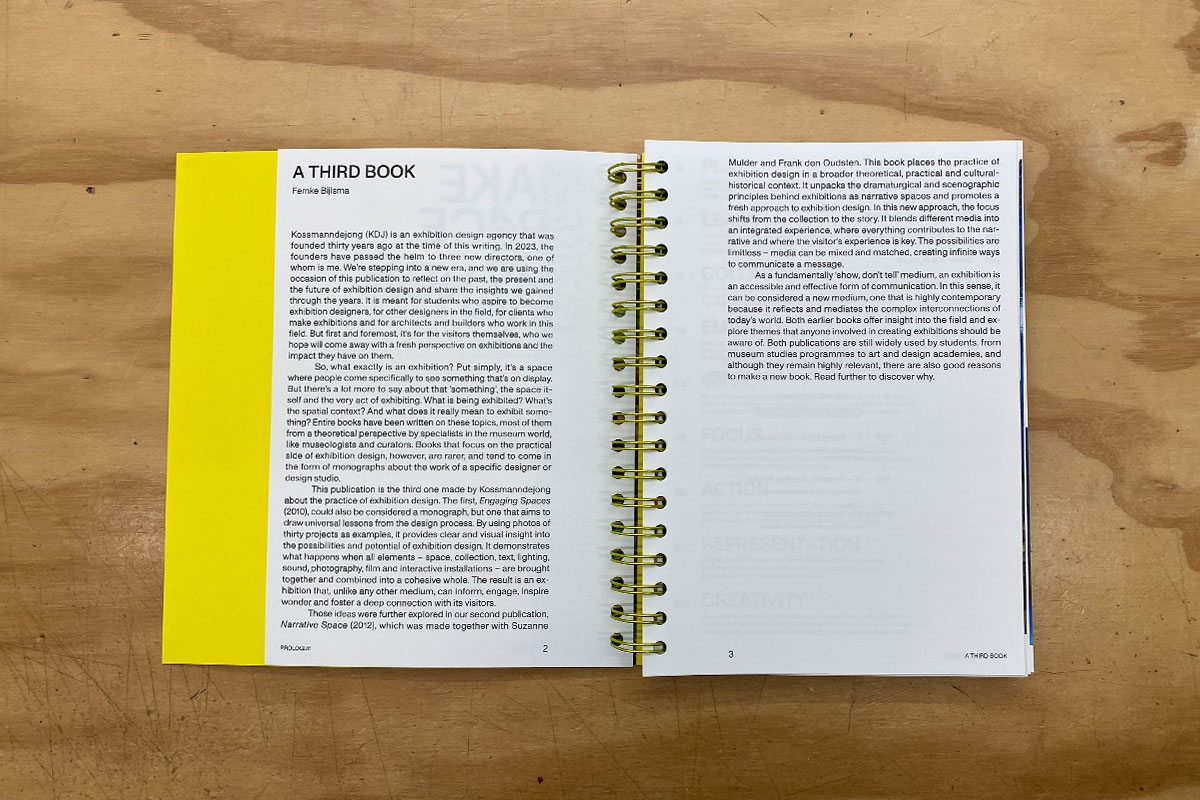
This publication is the third one made by KDJ about the practice of exhibition design. The first, Engaging Spaces (2010), uses project examples to illustrate the potential of exhibition design, emphasizing the cohesive combination of elements like space, collection, and media. The second, Narrative Space (2012), places exhibition design in a broader context, advocating for a story-focused approach where the visitor's experience is key.
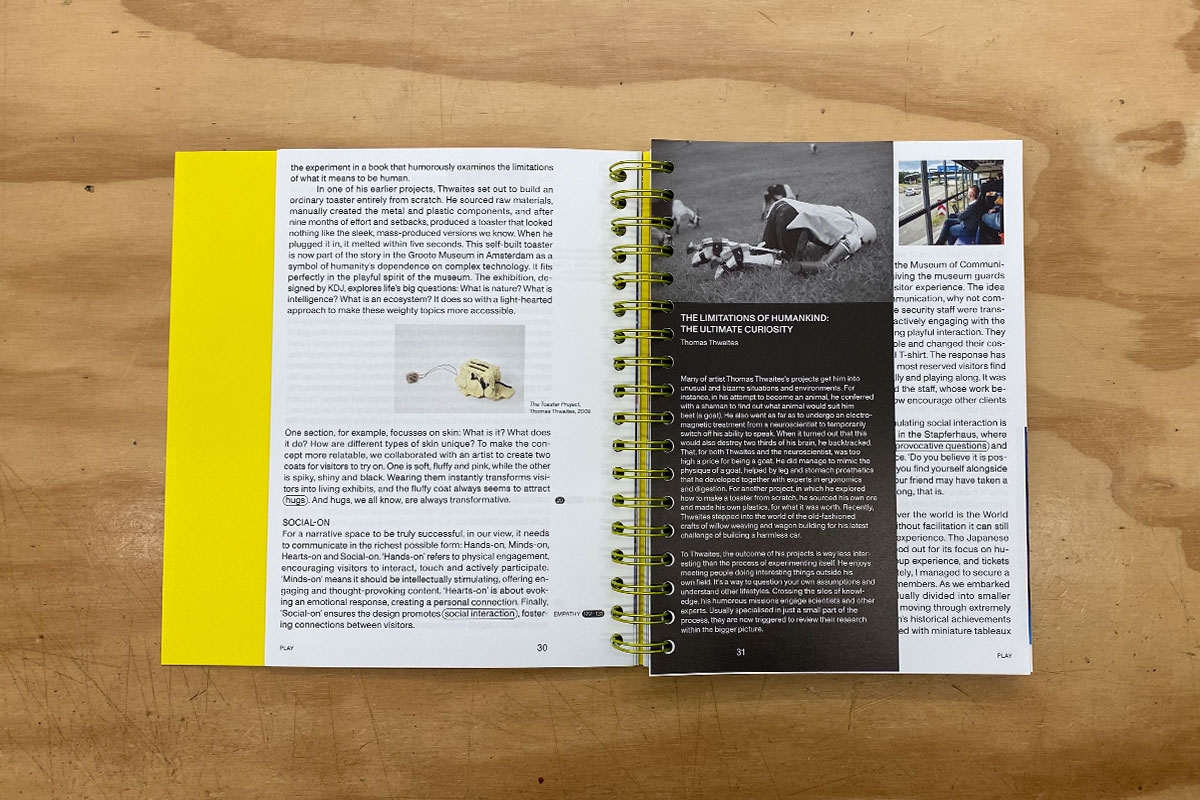
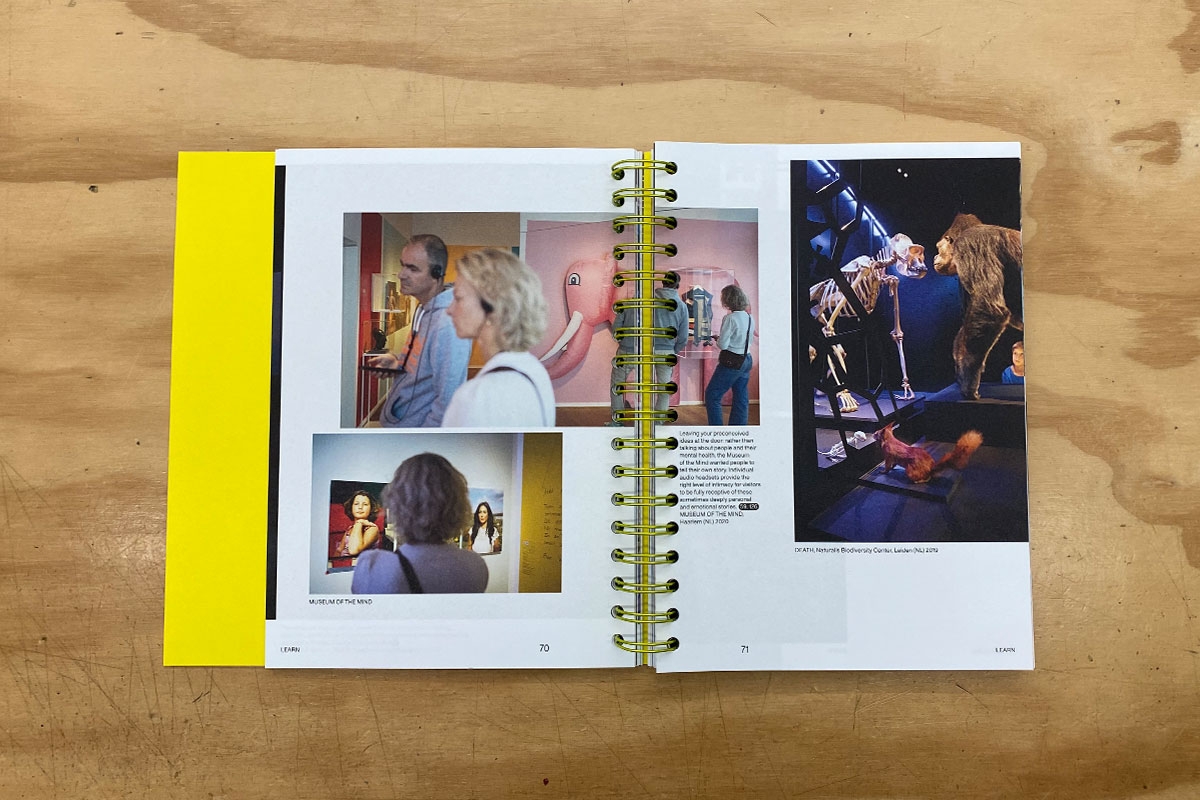
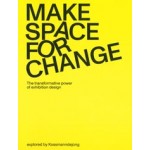
This third publication builds on those foundations, exploring the transformative potential of narrative space. Drawing from their own practice as well as that of other creative pioneers, the authors unpack the key drivers of change in the field of experience design.
Kossmanndejong views exhibition design as a contemporary medium that reflects the complex interconnections of today’s world.
Kossmanndejong (KDJ) is an Amsterdam-based experience design studio founded in 1998 by Herman Kossmann and Mark de Jong. They integrate storytelling with spatial design for museums, cultural institutions, public spaces, and brands. Dissatisfied with the status of exhibition design, they aimed to innovate by incorporating elements from theatre and film, contributing to the rise of 'experience design.'
The studio has grown into a team of over thirty professionals with diverse expertise. After nearly 25 years, Kossmann and de Jong passed leadership to Femke Bijlsma, Niels de Jong, and Robert van der Linde.
This publication is the third one made by KDJ about the practice of exhibition design. The first, Engaging Spaces (2010), uses project examples to illustrate the potential of exhibition design, emphasizing the cohesive combination of elements like space, collection, and media. The second, Narrative Space (2012), places exhibition design in a broader context, advocating for a story-focused approach where the visitor's experience is key.
This third publication builds on those foundations, exploring the transformative potential of narrative space. Drawing from their own practice as well as that of other creative pioneers, the authors unpack the key drivers of change in the field of experience design.
Kossmanndejong views exhibition design as a contemporary medium that reflects the complex interconnections of today’s world.