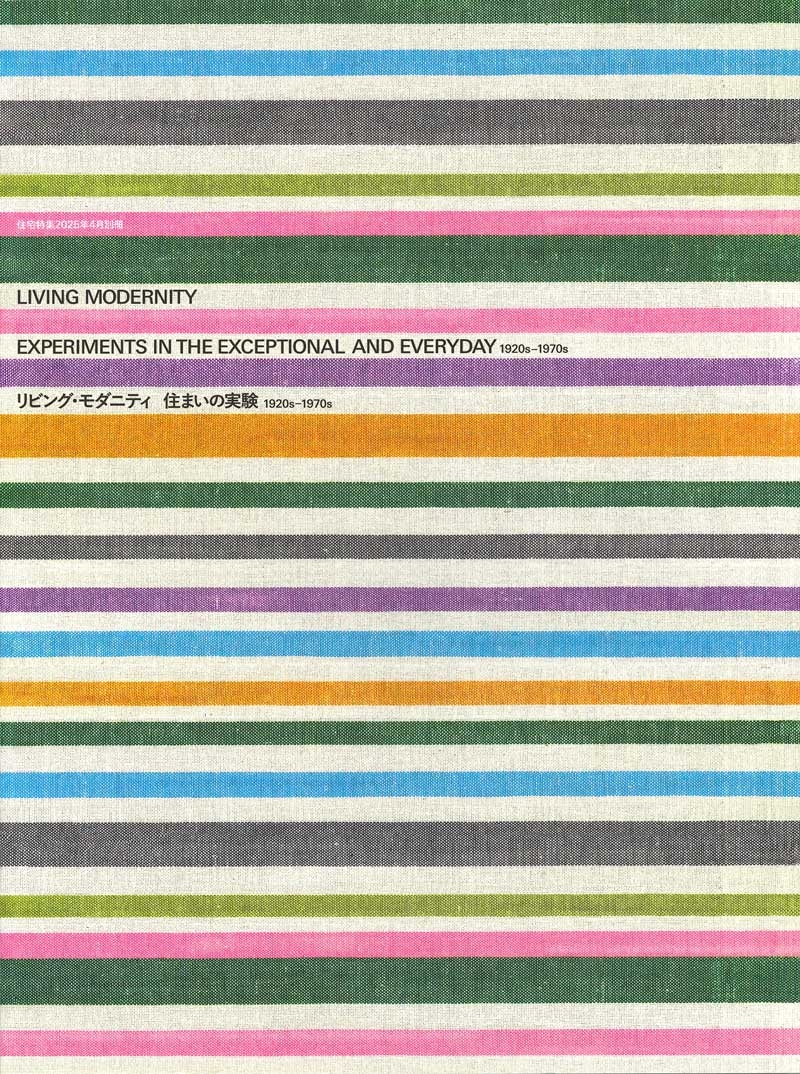
From the 1920s, architects such as Le Corbusier (1887-1965) and Ludwig Mies van der Rohe(1886-1969) have sought to create both functional and comfortable living spaces, employingnew technologies constantly developing through time. Their exemplary experimentalvisions and innovative ideas eventually spread broadly to drastically transform people’sdaily lives.
This exhibition showcases houses designed by architects who embraced modernity byreexamining the fundamentals of living to improve functionality, artistry and comfort. Builtduring the epic modern period of the 1920s to the 1970s, these houses share theinternational ethos of creating a new architecture fundamentally connected to their specifictime, region, climate, and social context. They also vividly express the family dynamics andcharacters of their individual residents. Innovations in living by the architects pursuing ideallifestyles are deeply intertwined with the distinct context of each house.
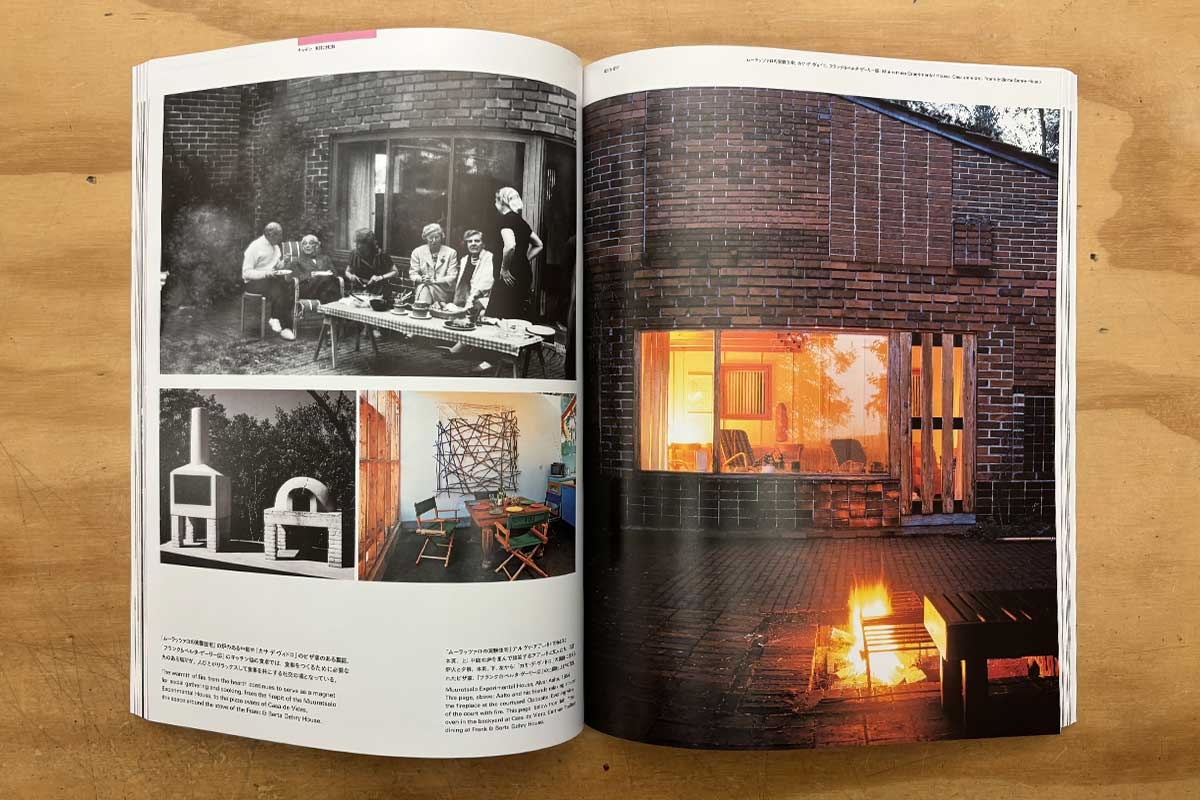
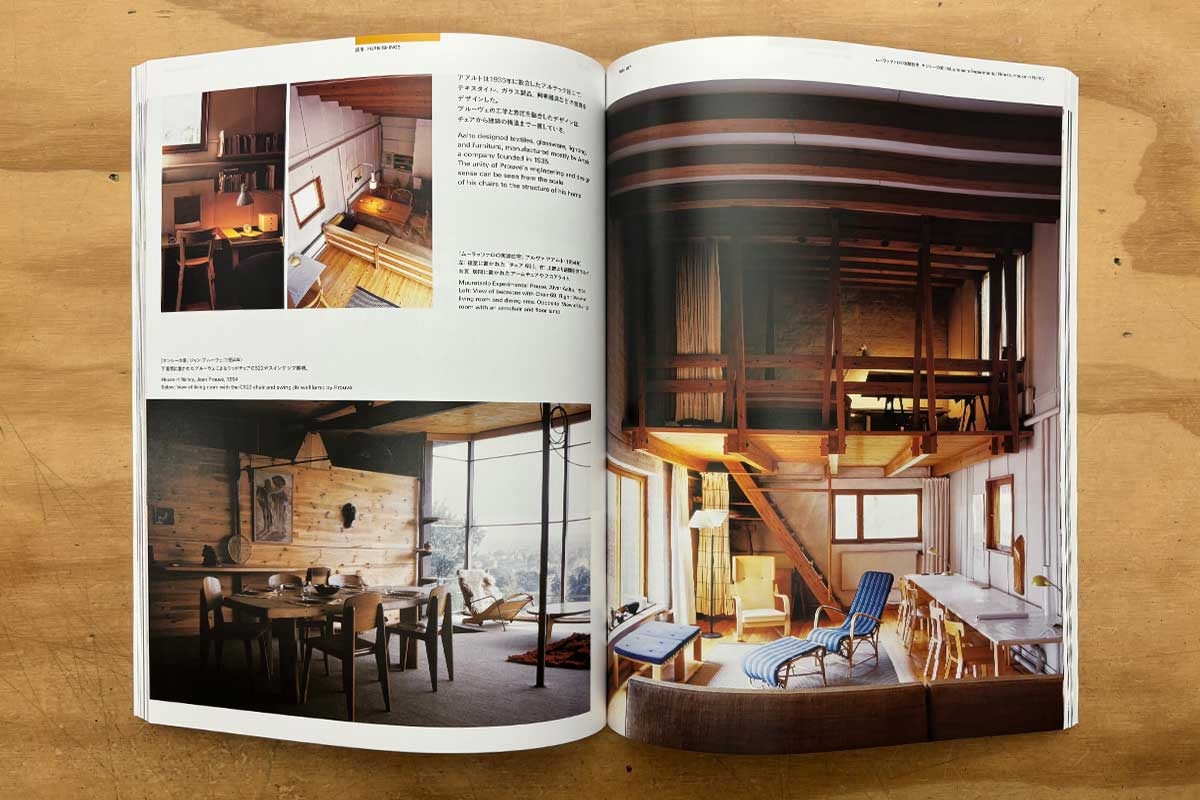
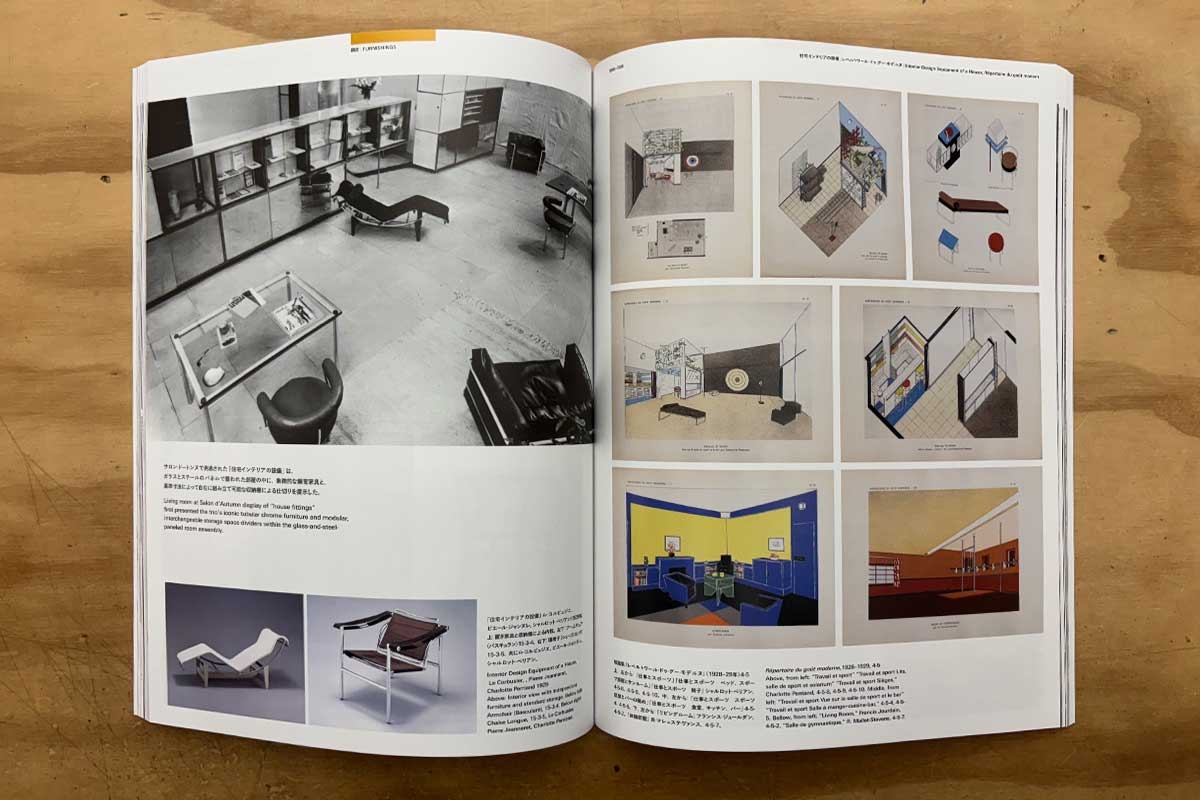
These houses were also a means to solve universal issues that have emerged in moderntimes. Sanitary spaces that promote personal hygiene, expansive glass windows to bring inlight and breezes, kitchens to reduce household chores, furnishings such as chairs andlighting to enhance bodily comfort, and verdant landscapes brought into living spacesbecame key elements in defining residential architecture in the 20th century. Iconic imagesof these new living spaces proliferated widely through model home exhibitions, magazinesand other new media.
This exhibition reexamines these innovative aspirations in residential architecture thatemerged in the 20th century from seven perspectives that define modern houses: hygiene,materiality, windows, kitchen, furnishings, media, and landscape. Highlighting 14residential masterpieces, the exhibition provides a multi-faceted examination of 20thcentury experimental homes through photographs, drawings and sketches, models,furnishings, textiles, tableware, and magazines and graphics.
From the 1920s, architects such as Le Corbusier (1887-1965) and Ludwig Mies van der Rohe(1886-1969) have sought to create both functional and comfortable living spaces, employingnew technologies constantly developing through time. Their exemplary experimentalvisions and innovative ideas eventually spread broadly to drastically transform people’sdaily lives.
This exhibition showcases houses designed by architects who embraced modernity byreexamining the fundamentals of living to improve functionality, artistry and comfort. Builtduring the epic modern period of the 1920s to the 1970s, these houses share theinternational ethos of creating a new architecture fundamentally connected to their specifictime, region, climate, and social context. They also vividly express the family dynamics andcharacters of their individual residents. Innovations in living by the architects pursuing ideallifestyles are deeply intertwined with the distinct context of each house.
These houses were also a means to solve universal issues that have emerged in moderntimes. Sanitary spaces that promote personal hygiene, expansive glass windows to bring inlight and breezes, kitchens to reduce household chores, furnishings such as chairs andlighting to enhance bodily comfort, and verdant landscapes brought into living spacesbecame key elements in defining residential architecture in the 20th century. Iconic imagesof these new living spaces proliferated widely through model home exhibitions, magazinesand other new media.
This exhibition reexamines these innovative aspirations in residential architecture thatemerged in the 20th century from seven perspectives that define modern houses: hygiene,materiality, windows, kitchen, furnishings, media, and landscape. Highlighting 14residential masterpieces, the exhibition provides a multi-faceted examination of 20thcentury experimental homes through photographs, drawings and sketches, models,furnishings, textiles, tableware, and magazines and graphics.