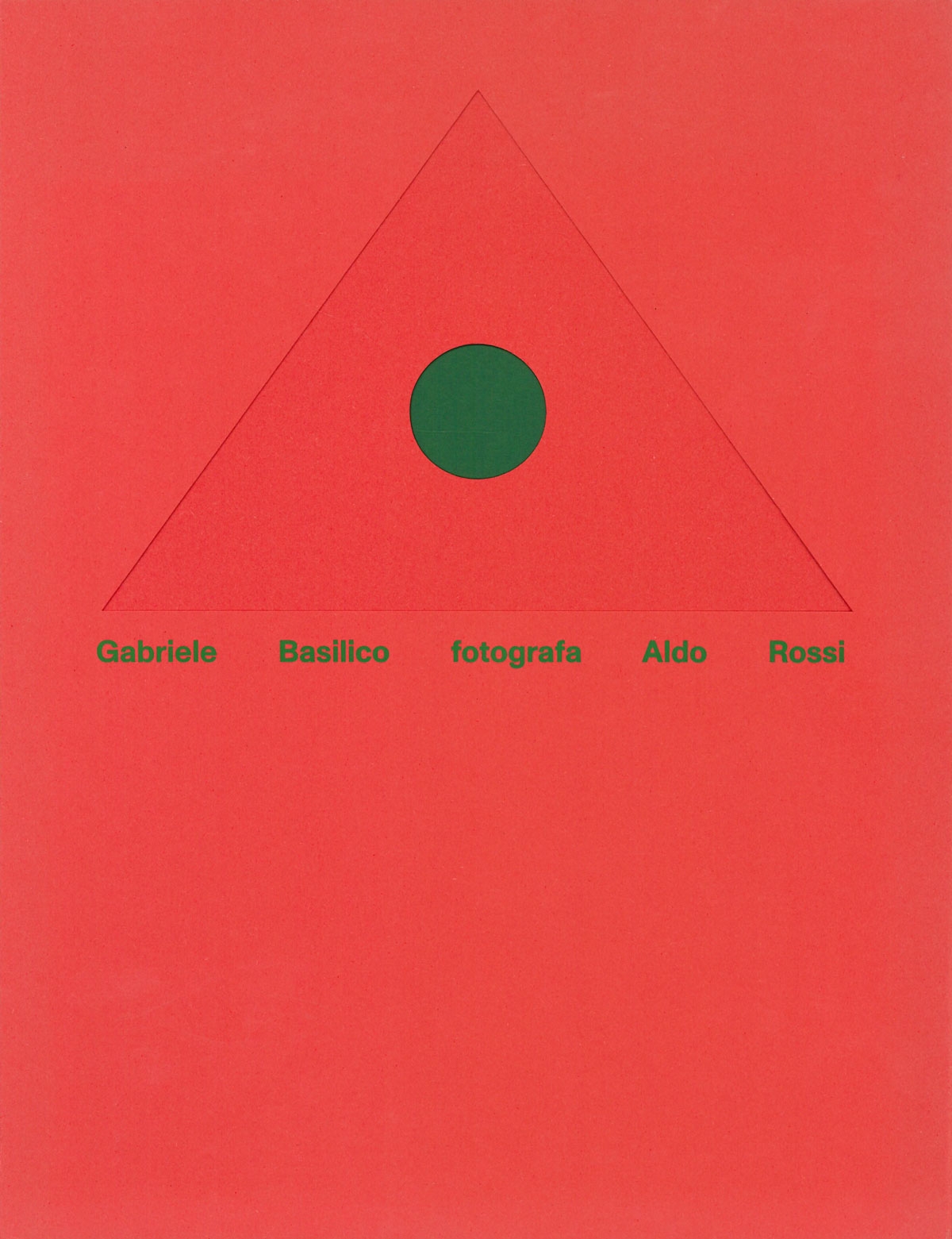
An intimate visual dialogue between photographer Gabriele Basilico and architect Aldo Rossi. Through nearly two decades of images, writings and project notes, this volume documents a shared vision of the city shaped by memory, urban transformation and the architectural culture of Milan.
Few architectural photographers observed the late twentieth-century European city with the precision and sensitivity of Gabriele Basilico. In this remarkable publication, Basilico’s photographs of Aldo Rossi’s buildings are brought together for the first time, revealing the profound intellectual and visual affinity between two central figures of Italian culture.
An intimate visual dialogue between photographer Gabriele Basilico and architect Aldo Rossi. Through nearly two decades of images, writings and project notes, this volume documents a shared vision of the city shaped by memory, urban transformation and the architectural culture of Milan.
Few architectural photographers observed the late twentieth-century European city with the precision and sensitivity of Gabriele Basilico. In this remarkable publication, Basilico’s photographs of Aldo Rossi’s buildings are brought together for the first time, revealing the profound intellectual and visual affinity between two central figures of Italian culture.
Both shaped by Milan and educated at the Politecnico di Milano, Basilico and Rossi approached architecture as a reflection of collective memory, social change and urban continuity. Basilico’s camera does not merely document Rossi’s buildings; it interprets them as fragments of a larger metropolitan landscape shaped by industry, ritual and time.
Spanning nearly twenty years of collaboration and exchange, the book traces Rossi’s emergence as one of the defining architects of the late twentieth century, culminating in his Pritzker Prize in 1990. Alongside Basilico’s photography, the volume includes essays by Chiara Spangaro and Pier Paolo Tamburelli, project notes by Rossi and texts that illuminate the mutual admiration between architect and photographer.
More than a monograph, this publication is a study of architecture through the lens of urban photography – recommeded reading for architects, photographers and readers interested in the cultural history of the European city.