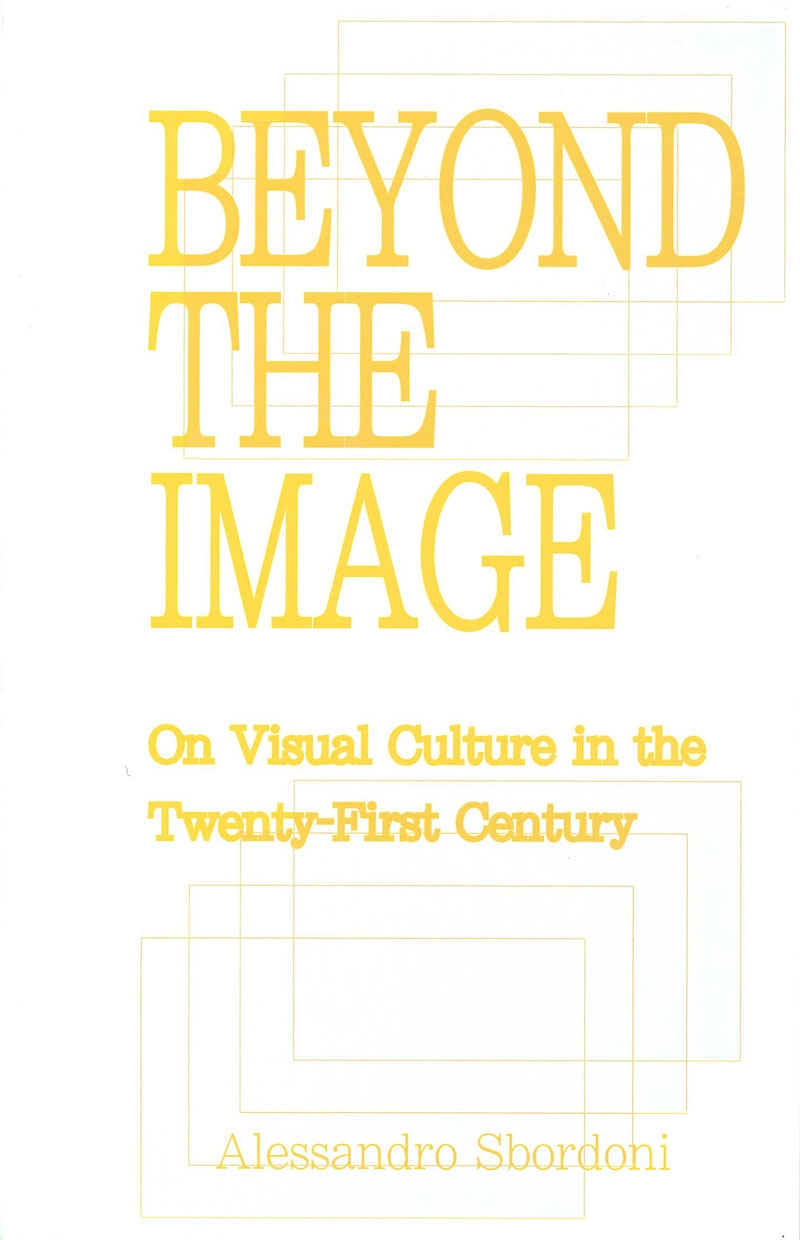
What happens when images no longer represent reality, but instead shape it? In the publication 'Beyond the Image', Alessandro Sbordoni explores how visual culture has transformed in the digital age - where algorithms, artificial intelligence, and social media redefine the meaning and function of images.
This thought-provoking book offers a critical perspective on how images circulate, influence perception, and operate within today’s attention-driven economy.
In the twenty-first century, images are no longer passive representations of the world. They are active agents - produced, distributed, and consumed within complex digital systems. In teh book 'Beyond the Image', Alessandro Sbordoni examines how visual culture has shifted in response to technological developments such as AI-generated imagery, deepfakes, and platform-driven media. The book challenges traditional ideas of representation and instead focuses on how images function within networks of data, power, and capital.
Drawing from media theory, visual studies, and contemporary culture, this book provides a framework for understanding how images shape our perception of reality in an increasingly mediated world.
What happens when images no longer represent reality, but instead shape it? In the publication 'Beyond the Image', Alessandro Sbordoni explores how visual culture has transformed in the digital age - where algorithms, artificial intelligence, and social media redefine the meaning and function of images.
This thought-provoking book offers a critical perspective on how images circulate, influence perception, and operate within today’s attention-driven economy.
In the twenty-first century, images are no longer passive representations of the world. They are active agents - produced, distributed, and consumed within complex digital systems. In teh book 'Beyond the Image', Alessandro Sbordoni examines how visual culture has shifted in response to technological developments such as AI-generated imagery, deepfakes, and platform-driven media. The book challenges traditional ideas of representation and instead focuses on how images function within networks of data, power, and capital.
Drawing from media theory, visual studies, and contemporary culture, this book provides a framework for understanding how images shape our perception of reality in an increasingly mediated world.