Hoe verandert automatisering onze gebouwde omgeving?
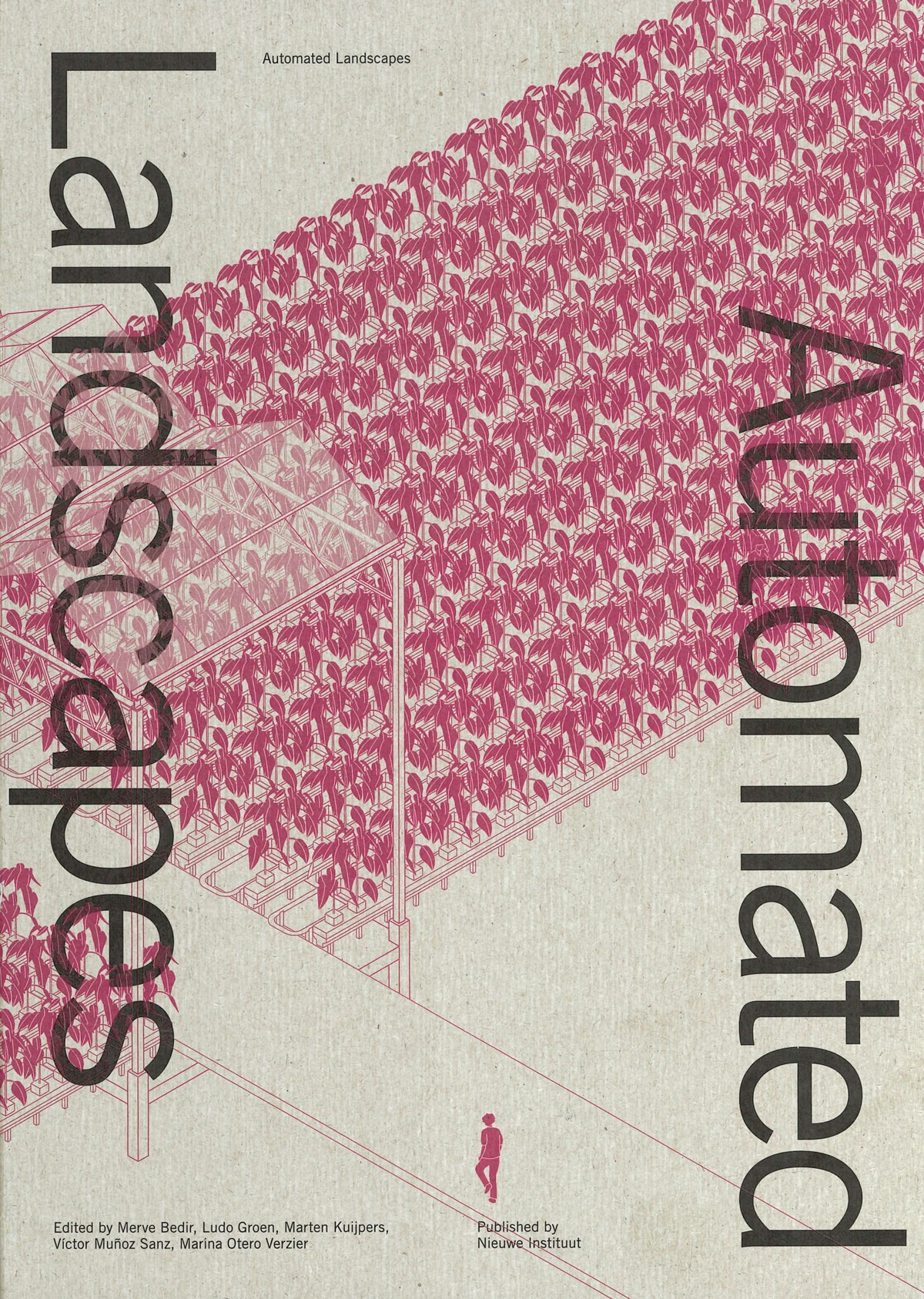
'Automated Landscapes' onderzoekt de ruimtelijke gevolgen van geautomatiseerde arbeid aan de hand van datacenters, logistieke terminals, kassen, fabrieken en agrarische productielocaties in Nederland en China.
Automatisering wordt meestal besproken vanuit technologie, economie en arbeidsmarkten. 'Automated Landscapes' laat zien dat de gevolgen veel verder reiken en diep ingrijpen in architectuur, infrastructuur en landschap.
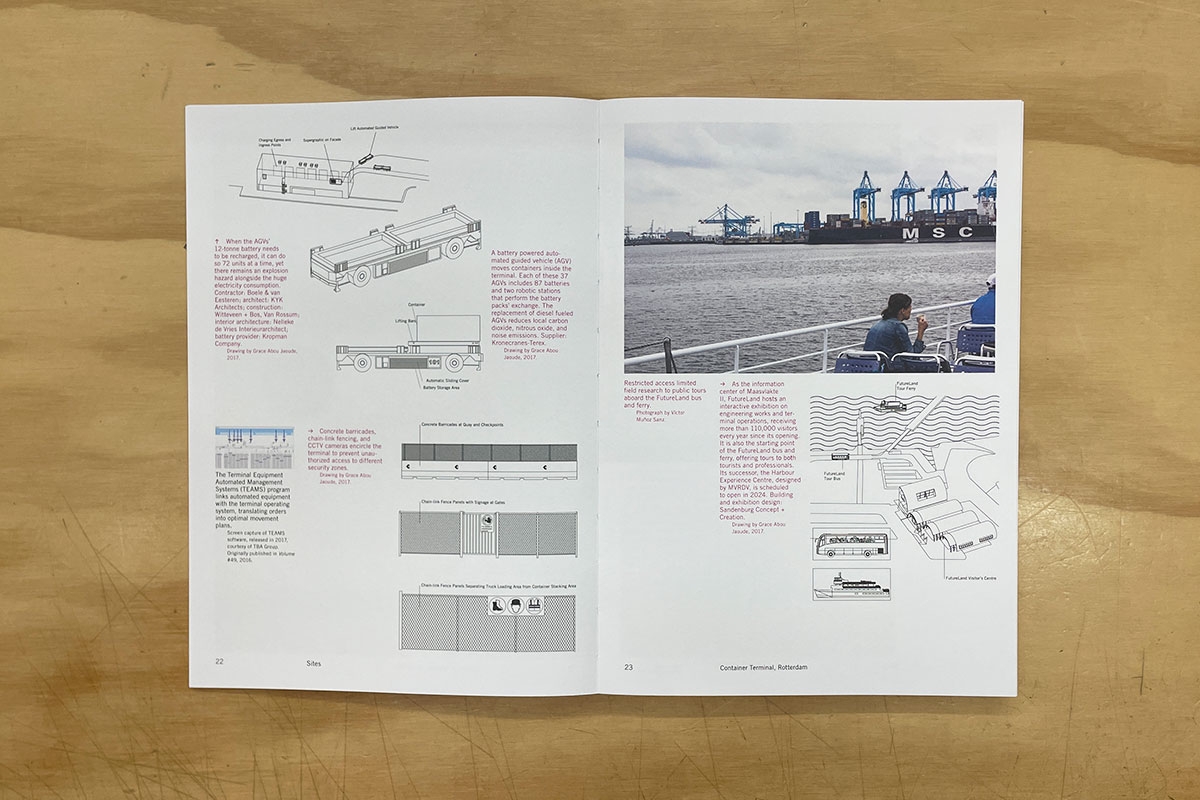
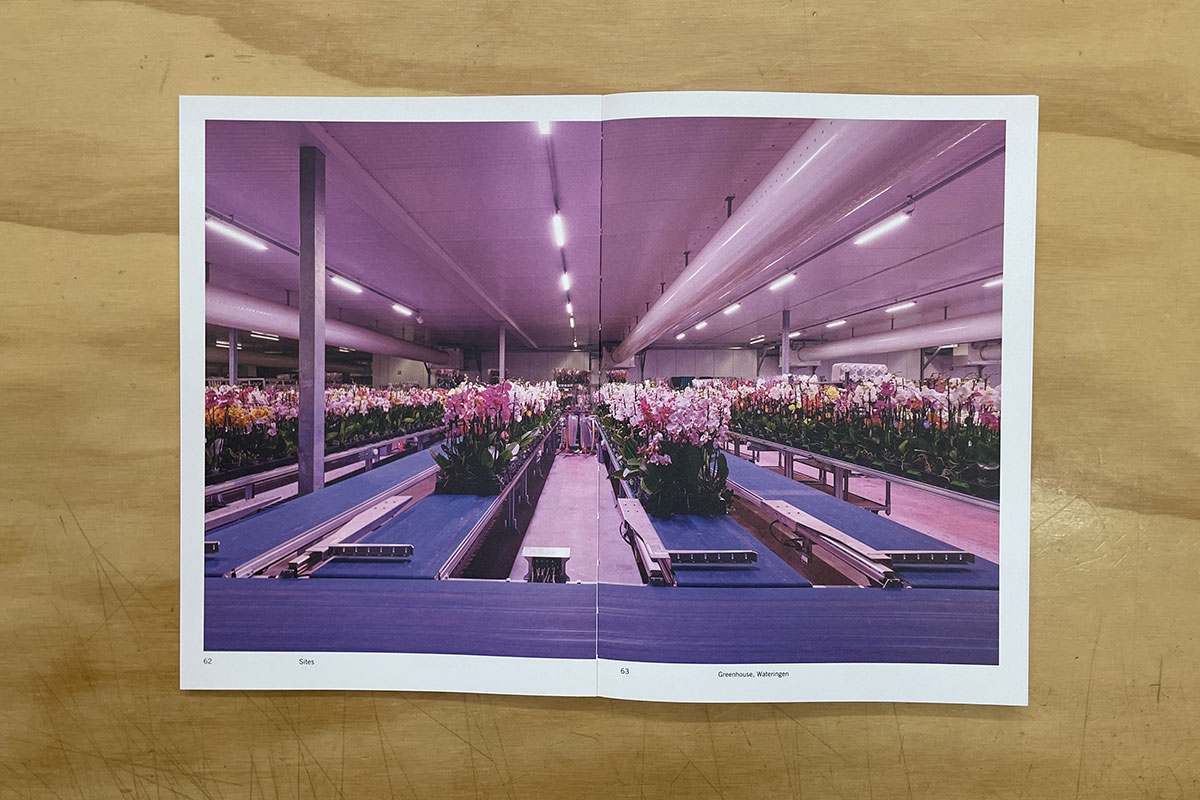
Deze publicatie bundelt vijf jaar onderzoek van Het Nieuwe Instituut, ontwikkeld in samenwerking met de TU Delft, Aformal Academy Shenzhen en het Royal College of Art in Londen. Aan de hand van gedetailleerde studies van datacenters, containerterminals, fabrieken, kassen en melkveebedrijven onderzoekt het boek hoe geautomatiseerde systemen nieuwe ruimtelijke condities creëren. Deze omgevingen worden steeds vaker ontworpen voor machines, algoritmes en logistieke processen, terwijl menselijke arbeid aanwezig blijft in aangepaste rollen en onder nieuwe werkritmes.
Met essays, onderzoeksmateriaal, fotografie en documentatie biedt Automated Landscapes een kritisch perspectief op de relatie tussen arbeid, technologie en ruimte. Het boek laat zien hoe automatisering niet alleen werkprocessen verandert, maar ook nieuwe architectonische typologieën en territoriale structuren voortbrengt.
Voor architecten, stedenbouwkundigen, landschapsarchitecten en onderzoekers vormt deze publicatie een waardevolle bijdrage aan het debat over de toekomst van werk, infrastructuur en de gebouwde omgeving.
'Automated Landscapes' behoort tot een groeiende groep publicaties die architectuur niet alleen beschouwen als het ontwerp van gebouwen, maar als een manier om maatschappelijke en technologische veranderingen te begrijpen. De logistieke centra, datacenters en geautomatiseerde landbouwbedrijven die in dit boek worden onderzocht, behoren tot de meest bepalende ruimtelijke fenomenen van deze eeuw. Juist omdat deze omgevingen vaak buiten het publieke zicht blijven, biedt het boek een zeldzame inkijk in de infrastructuren die ons dagelijks leven mogelijk maken en tegelijkertijd nieuwe vragen oproepen over arbeid, ecologie en territoriale ontwikkeling.