When viewed from the West, Africa shrinks—a continent nearly three times the size of Europe collapses into a surface of projections. Narratives of lack, “backwardness,” or simplicity obscure the historical depth, epistemic complexity, and diversity of cultural, social, and ecological forms of knowledge that shape the continent. Despite its intellectual abundance, Africa is still read in the Global North largely through the prism of the practical: as a place of making, of supposedly “informal” practice, onto which Western imaginaries of socially engaged building are projected.
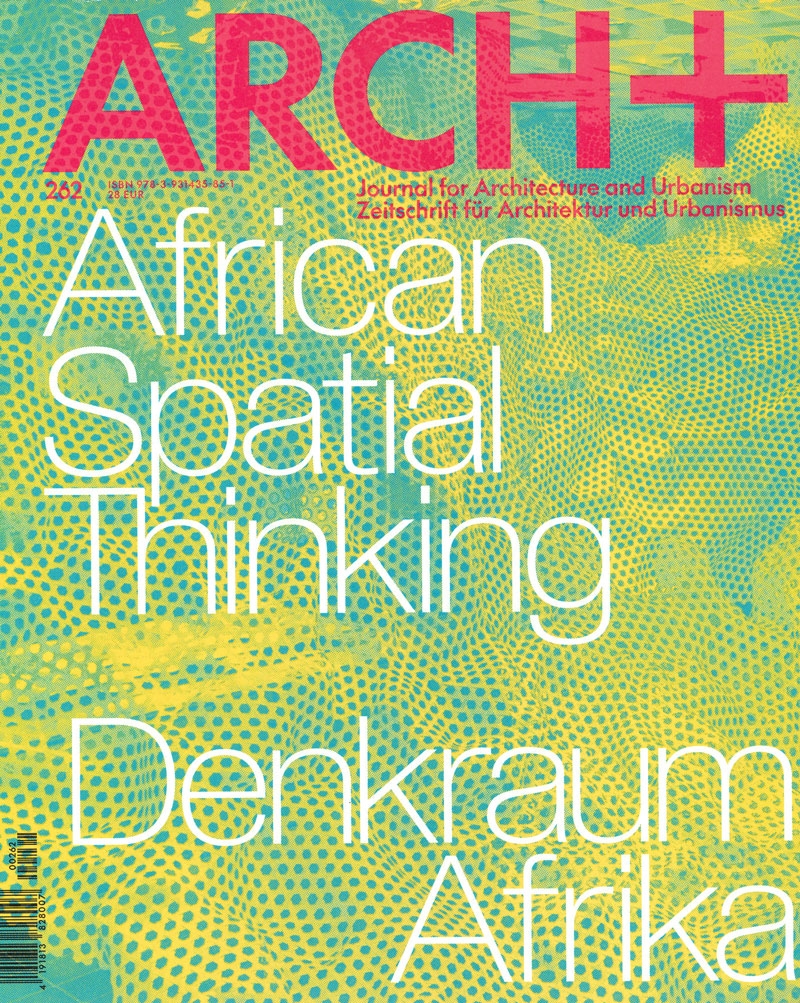
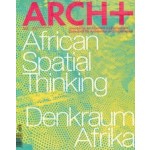
African Spatial Thinking | Denkraum Afrika therefore enacts a deliberate shift away from speaking about Africa, and toward centering African and Afro-diasporic thinkers and practitioners who, from within their historical, political, and material contexts, articulate how space is made, negotiated, and defended.
When viewed from the West, Africa shrinks—a continent nearly three times the size of Europe collapses into a surface of projections. Narratives of lack, “backwardness,” or simplicity obscure the historical depth, epistemic complexity, and diversity of cultural, social, and ecological forms of knowledge that shape the continent. Despite its intellectual abundance, Africa is still read in the Global North largely through the prism of the practical: as a place of making, of supposedly “informal” practice, onto which Western imaginaries of socially engaged building are projected.
African Spatial Thinking | Denkraum Afrika therefore enacts a deliberate shift away from speaking about Africa, and toward centering African and Afro-diasporic thinkers and practitioners who, from within their historical, political, and material contexts, articulate how space is made, negotiated, and defended.