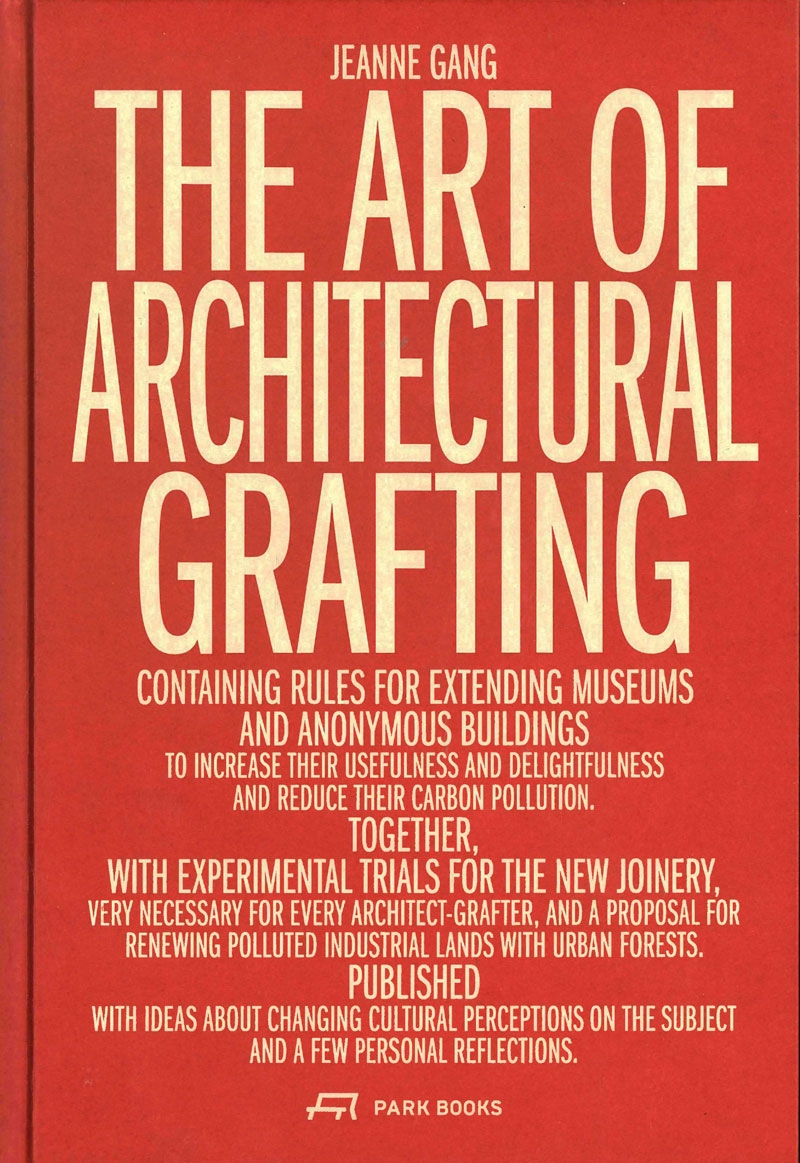
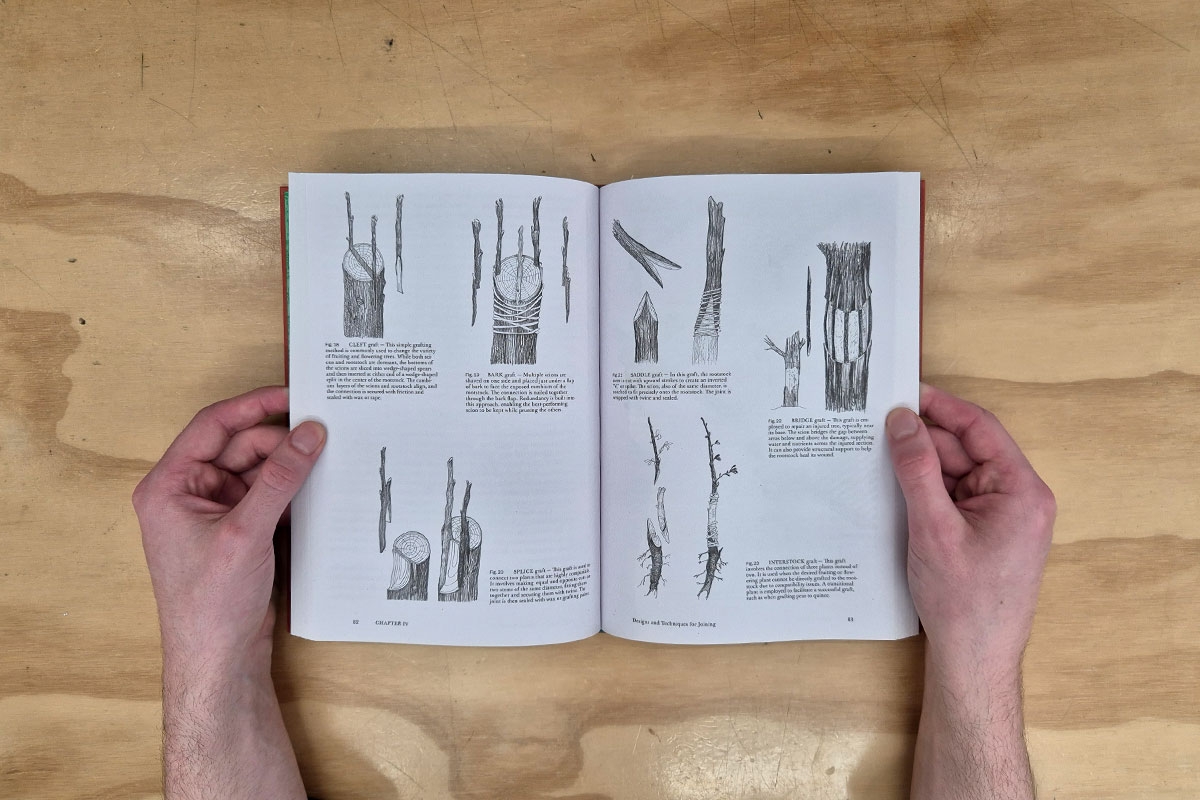
In this book, Jeanne Gang, one of America’s most distinguished contemporary architects, proposes applying the plant cultivation technique of grafting to architecture and urban design as a way of rethinking adaptive reuse and combatting climate change. Grafting is the process of connecting two separate living plants - one old and one new - so they can grow and thrive as one. This ancient practice continues to be performed today in search of more fruitful, palatable, and resilient varieties of plants.
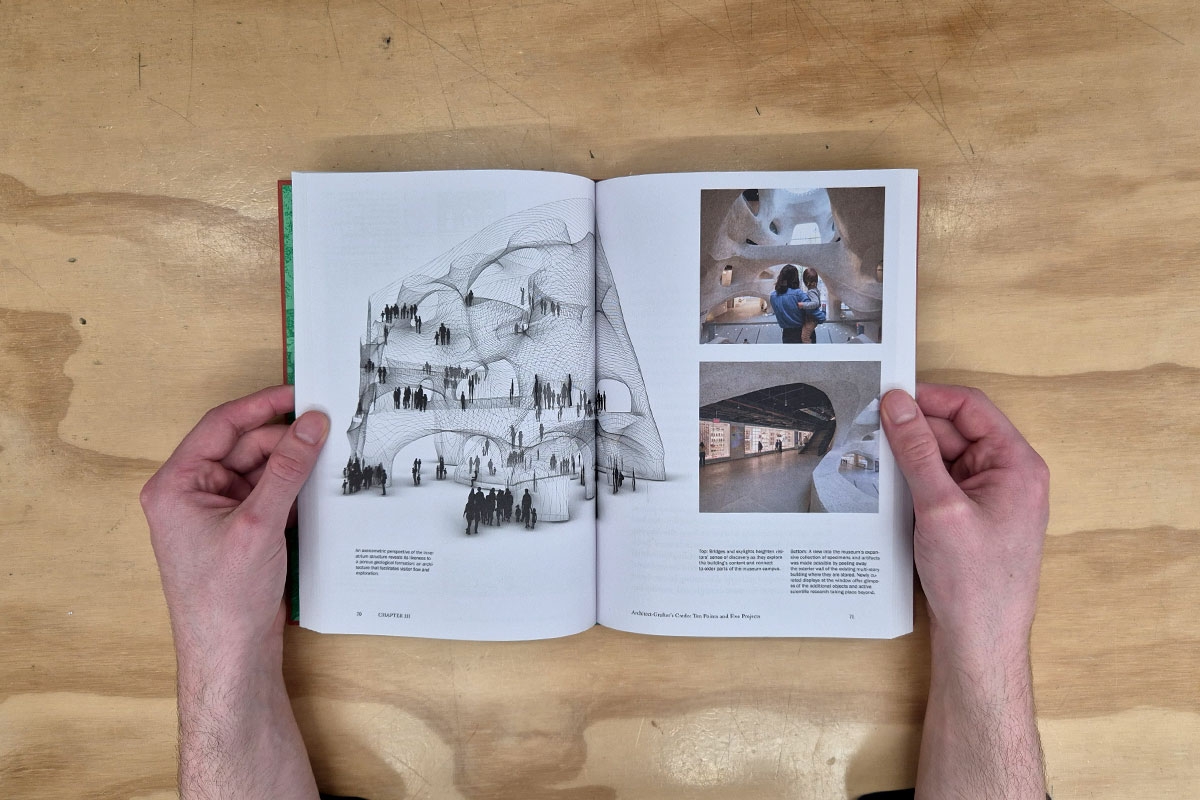
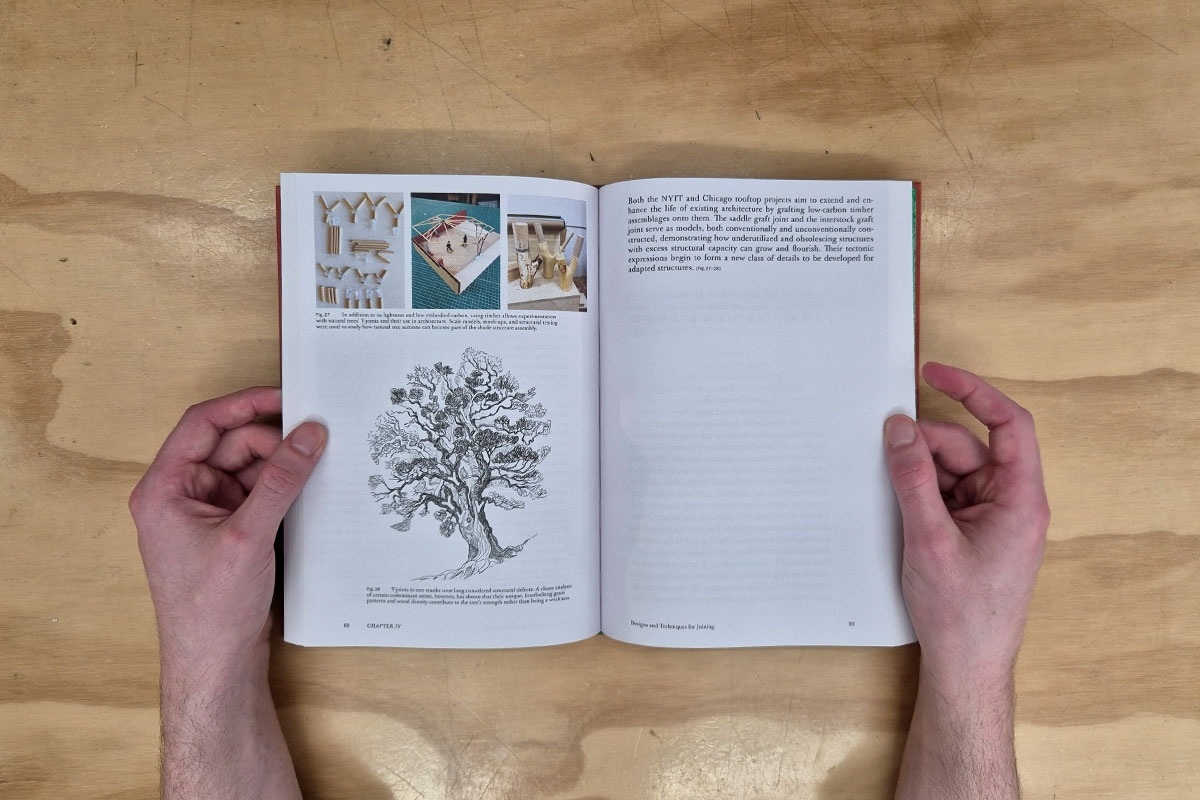
Grafting is also a useful paradigm for how architecture can address climate change on a broadly impactful scale by reusing and expanding older structures. Addressing both the environmental and cultural value of reuse, Gang shows how the concept of grafting can inform architecture across many scales, provoking the imagination and shaping tectonic, programmatic, formal, and regenerative adaptations.
Volgens de uitgever wordt The Art of Architectural Grafting opnieuw leverbaar in het najaar van 2026. Bestel nu of laat uw e-mailadres achter; wij informeren u zodra het boek weer beschikbaar is.
In this book, Jeanne Gang, one of America’s most distinguished contemporary architects, proposes applying the plant cultivation technique of grafting to architecture and urban design as a way of rethinking adaptive reuse and combatting climate change. Grafting is the process of connecting two separate living plants - one old and one new - so they can grow and thrive as one. This ancient practice continues to be performed today in search of more fruitful, palatable, and resilient varieties of plants.
Grafting is also a useful paradigm for how architecture can address climate change on a broadly impactful scale by reusing and expanding older structures. Addressing both the environmental and cultural value of reuse, Gang shows how the concept of grafting can inform architecture across many scales, provoking the imagination and shaping tectonic, programmatic, formal, and regenerative adaptations.