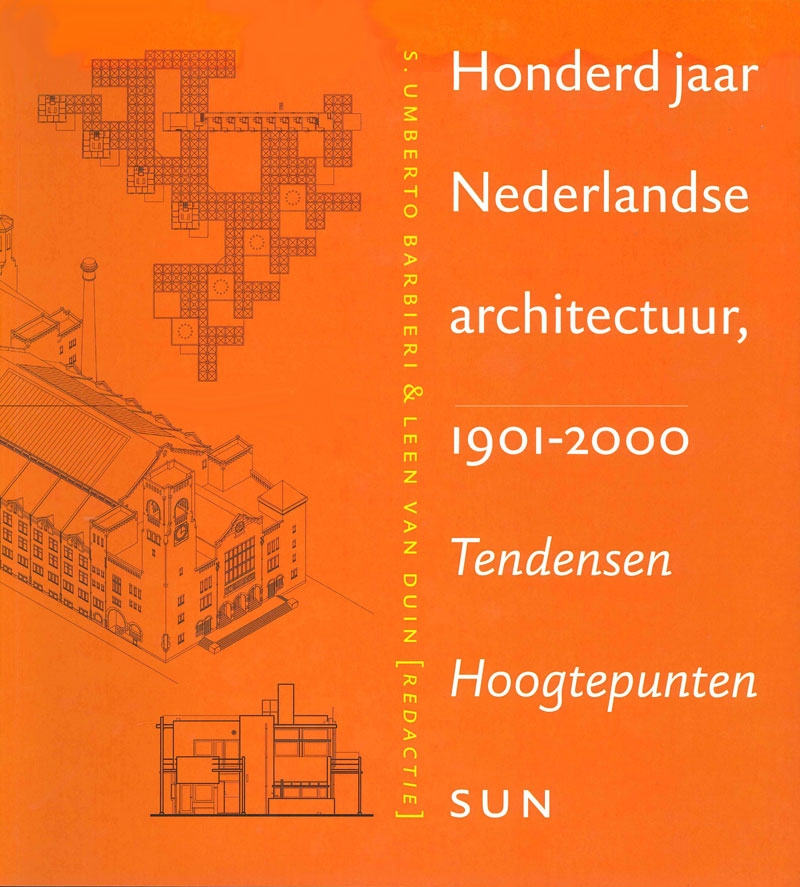
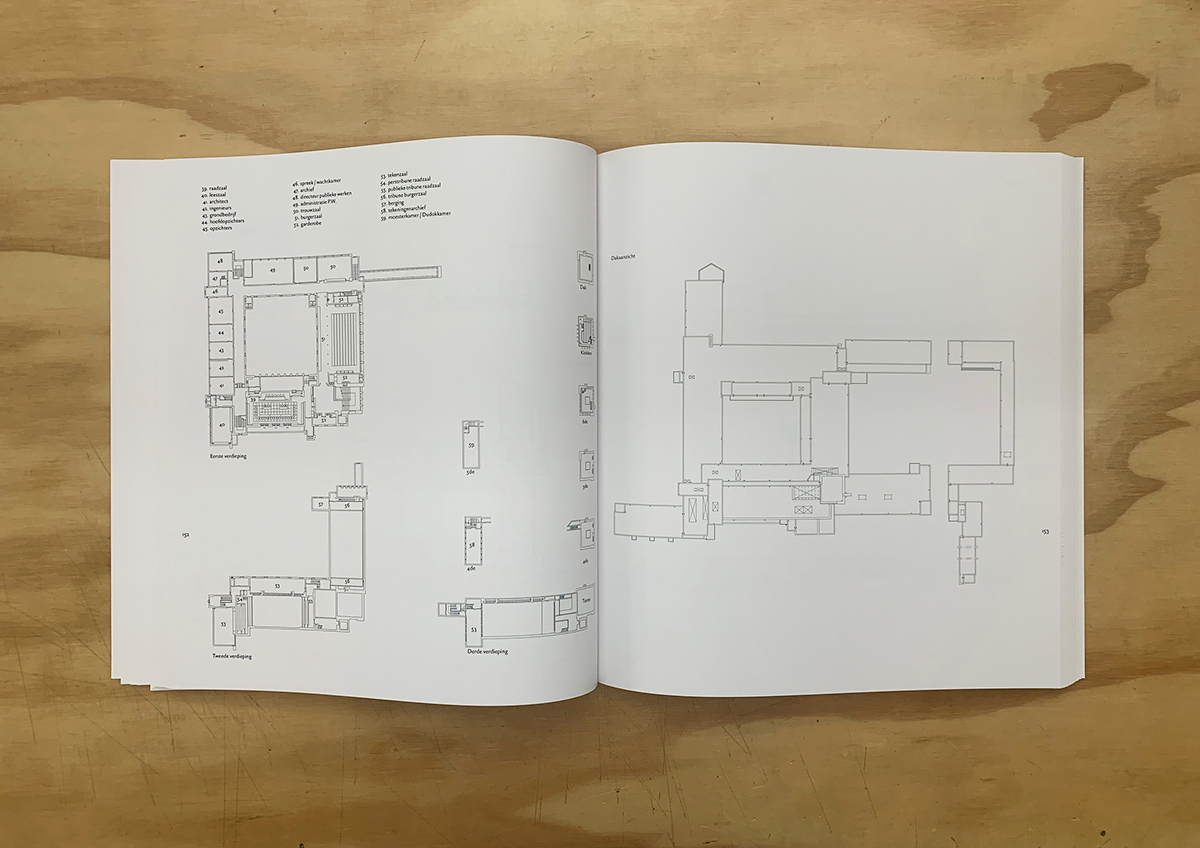
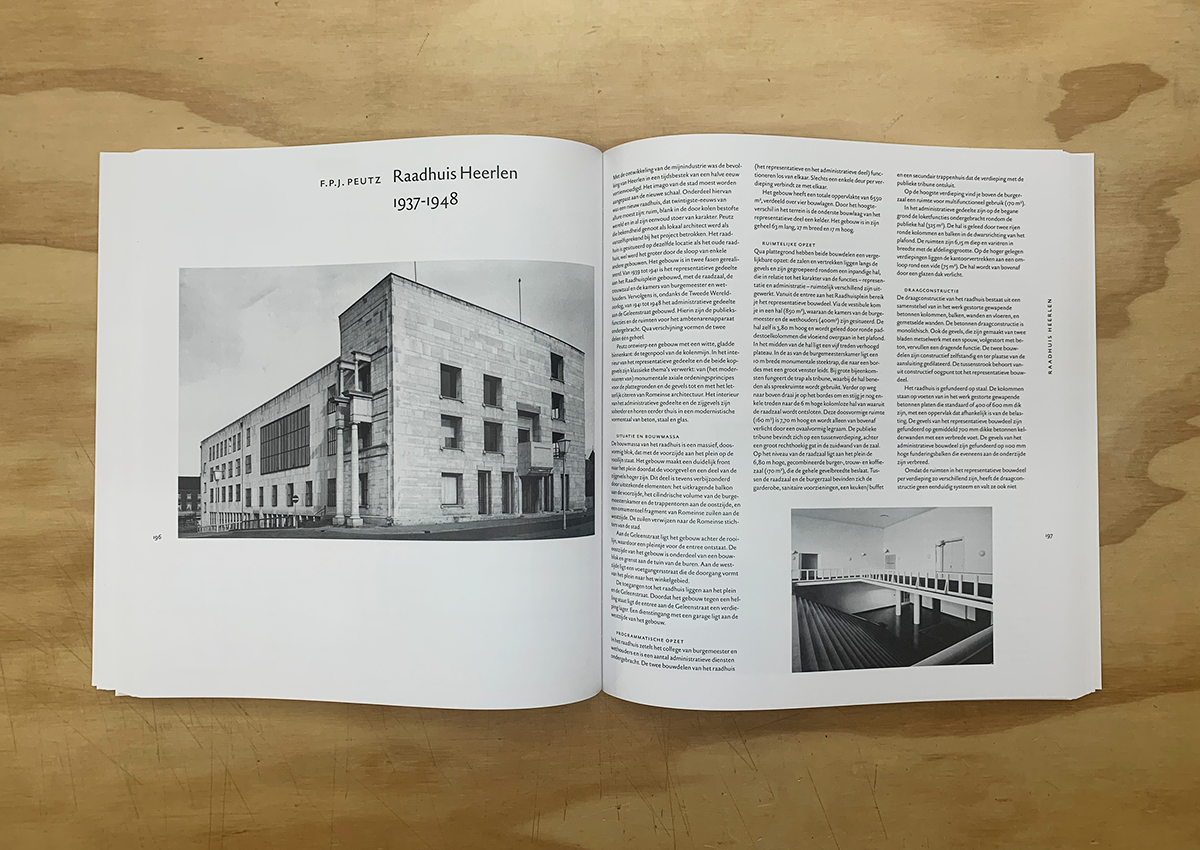
Honderd jaar architectuur in Nederland reconstrueert de referentiekaders waarbinnen Nederlandse architecten de voorbije eeuw hun vak hebben uitgeoefend. Het boek biedt een uitgebreide documentatie van een twintigtal bouwwerken op basis van het oorspronkelijke planmateriaal.
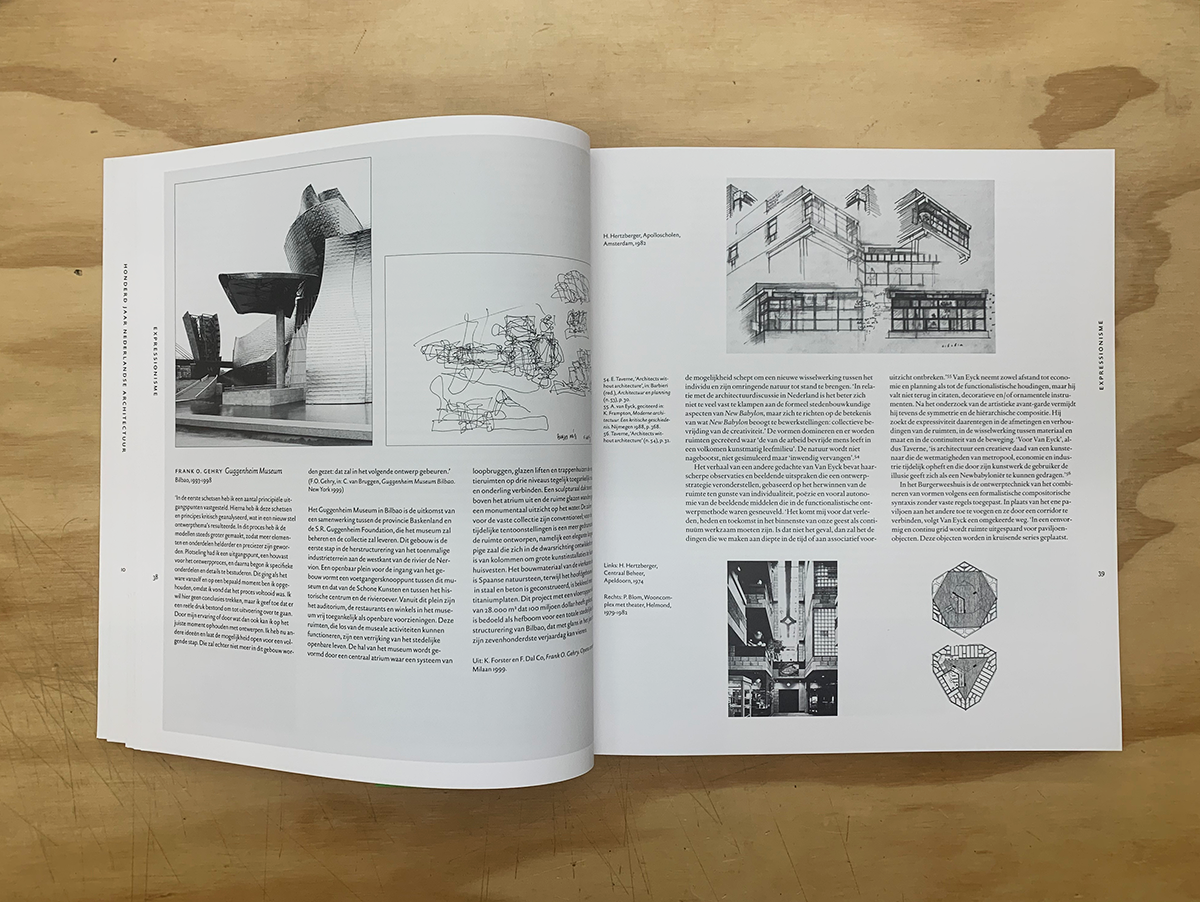
Elk van deze bouwwerken belichaamt een specifieke aanpak van een architectonisch probleem en vormt een kristallisatiepunt van de verschillende benaderingen die binnen het amalgaam van ontwerpstrategieën kunnen worden onderscheiden, zoals een traditionalistische, expressionistische, functionalistische, rationalistische en postmodernistische ontwerpstrategie. Door de samenhang tussen vorm, constructie en functie van een gebouw te analyseren worden de verschillende architectonische benaderingen gereconstrueerd. De ontwerptechnische en maatschappelijke betekenis van de vijf architectonische benaderingen wordt in afzonderlijke essays behandeld.
Dat afzonderlijke gebouwen moeilijk te classificeren zijn op grond van gemeenschappelijke functionele, constructieve of formele kenmerken, wil nog niet zeggen dat er geen lijnen te trekken zijn in de architectonische productie. In een Calendarium worden de ontwikkelingslijnen van de Nederlandse architectuur overzichtelijk gepresenteerd. Honderd karakteristieke bouwwerken worden in chronologische volgorde één voor elk jaar tegen de achtergrond van de technische en maatschappelijke ontwikkelingen geplaatst. Hiermee wordt de ontwerpers van nu een weg door de doolhof van verhalen over het bouwen naar het bouwen zelf geboden.
Honderd jaar architectuur in Nederland reconstrueert de referentiekaders waarbinnen Nederlandse architecten de voorbije eeuw hun vak hebben uitgeoefend. Het boek biedt een uitgebreide documentatie van een twintigtal bouwwerken op basis van het oorspronkelijke planmateriaal.
Elk van deze bouwwerken belichaamt een specifieke aanpak van een architectonisch probleem en vormt een kristallisatiepunt van de verschillende benaderingen die binnen het amalgaam van ontwerpstrategieën kunnen worden onderscheiden, zoals een traditionalistische, expressionistische, functionalistische, rationalistische en postmodernistische ontwerpstrategie. Door de samenhang tussen vorm, constructie en functie van een gebouw te analyseren worden de verschillende architectonische benaderingen gereconstrueerd. De ontwerptechnische en maatschappelijke betekenis van de vijf architectonische benaderingen wordt in afzonderlijke essays behandeld.
Dat afzonderlijke gebouwen moeilijk te classificeren zijn op grond van gemeenschappelijke functionele, constructieve of formele kenmerken, wil nog niet zeggen dat er geen lijnen te trekken zijn in de architectonische productie. In een Calendarium worden de ontwikkelingslijnen van de Nederlandse architectuur overzichtelijk gepresenteerd. Honderd karakteristieke bouwwerken worden in chronologische volgorde één voor elk jaar tegen de achtergrond van de technische en maatschappelijke ontwikkelingen geplaatst. Hiermee wordt de ontwerpers van nu een weg door de doolhof van verhalen over het bouwen naar het bouwen zelf geboden.